shandong hailan Sodium Nitrate

Sodium nitrate isn’t some stand-alone chemical curiosity; it plays a big part in farming, mining, food preservation, and even fireworks routines. With agricultural production increasing to feed more people, companies like Shandong Hailan have stepped up to supply materials that help keep crops coming. Think about how many farmers depend on modern fertilizers to get a decent yield. It’s easy to lose track of where these chemicals originate, but following them back often leads to producers like Shandong Hailan, tucked into the industrial engine of Shandong province in China. Their sodium nitrate doesn’t just support local industries—it ends up in shipments that cross borders for use in countries where even modest harvests would fade without extra nutrients in the field.When sourcing chemicals, the difference between a supplier and a true partner shows up in reliability, safety, and honesty. From my own work in logistics and procurement, I’ve seen the headaches that crop up when batches arrive out of spec or paperwork falls short. Consider sodium nitrate: It can find its way into the food chain or water supplies if handled loosely, so detailed quality checks make a difference. A good manufacturer invests in robust quality control routines. Just reading reviews from industry professionals, trust comes up again and again—especially when buyers can trace test results, certifications, or detailed batch history. This naturally leads into E-E-A-T: Experience with reliable suppliers, expertise in handling chemicals safely, authority built from compliance with international standards, and trust earned when companies own up to every step they take. Shandong Hailan seems to grasp this idea—at least, that’s clear from the documentation and oversight they provide for international buyers.Sodium nitrate production, if done wrong, turns into an environmental headache fast. Nitrogen runoff from fertilizers already causes algae blooms and dead zones in rivers and lakes year after year. Companies in Shandong and across China carry the weight of massive demand, but they’re under the microscope for every ton produced. One bad spill, or a storm washing fertilizer off a storage site, leaves lasting scars on water and soil. As more countries tighten regulations, those dumping grounds are drying up, and so are weak excuses for shock-and-forget manufacturing. Solutions aren’t as simple as switching suppliers; they live in slow, steady improvements in how chemical plants handle waste, reclaim process water, and advise end users about safer application rates. From what has been made public, Shandong Hailan’s recent investments in filtration and secondary containment take a step in the right direction. But this isn’t a box you tick once—it’s a slow grind with every season.Factories don’t run themselves—people stand at the gates, working shifts, loading trucks, managing the ebb and flow of production lines. I’ve walked through chemical plants before; seeing the heat, the fumes, the safety gear layered on bodies breathing in the workday. Shandong’s dense industrial zones mean workers’ homes brush right against plant perimeters. When accidents happen—explosions or leaks—they ripple through whole communities, not just plant floors. It begs for deeper investment in safety training, strict maintenance checks, and emergency drills that aren’t just paperwork exercises. A manufacturer with a real presence in the region, like Hailan, should invest in local health care partnerships, monitor air and water near plants, and adapt their methods with input from the people who live nearby. Local voices should get a seat at the table, not stand at the plant gates.Old habits die hard in heavy industry. Many chemical plants still use legacy technology, steamed along because “it worked before.” But global customers are asking better questions now, and the answers come out in certifications, digital batch tracking, on-demand MSDS sharing, and transparent environmental reports. Producers like Shandong Hailan who modernize their operations end up fielding fewer costly recalls and win better contracts. Maybe it’s because today’s buyers—myself included in other sectors—know that cutting corners leads to hidden long-term costs.The world isn’t letting up; demand for sodium nitrate isn’t fading, and scrutiny will only get sharper. Forward-thinking chemical companies, whether in Shandong or beyond, are investing in closed-loop systems, greener inputs, and more responsible end-of-life use for their products. Partnerships with universities, government labs, and third-party auditors often spark process upgrades manufacturers wouldn’t hit on alone. For communities near big chemical plants, organizing regular public meetings and offering transparent pollutant monitoring online can build trust and spur creative approaches to shared challenges. From firsthand experience, I’ve seen this drive real change—not just image-polishing PR. Companies willing to listen, adapt, and open their doors a bit wider can keep pace with growing expectations, keep workers safer, and leave less harm behind. No single step covers it. Real progress means pushing for more, year over year, and making sure that the benefits from a simple molecule like sodium nitrate leave fewer scars along the way.
shandong hailan Sodium Nitrite

Sodium nitrite doesn’t sound like something most people worry about. Yet, I remember the first time I heard about it. A neighbor, who once worked at a meat processing plant, mentioned those pink curing salts behind the scenes, protecting ham and bacon from botulism. Not many realize that companies like Shandong Hailan play a central role in that chain, delivering huge amounts of this compound to the global marketplace. Sodium nitrite helps preserve food and eliminate bacteria, but it comes with complicated responsibilities. Lately, concerns have grown beyond just food safety and have reached into public health and environmental impact.Every time nitrite hits the news, it’s usually connected to food scandals or, even worse, stories about its misuse. The facts matter here: in small doses, nitrite keeps food safe. In large amounts, it threatens lives. I once read a report about improper storage conditions at processing facilities. Moisture seeps in, storage temperatures aren’t tightly controlled, and this staple ingredients becomes hazardous. With more countries tightening regulations, the onus sits firmly on producers like Shandong Hailan to provide technical transparency, full batch traceability, and public reporting on contaminant levels. The company isn’t just moving white powder out the door; it is managing a chemical with a history of both life-saving and life-threatening consequences.Few shoppers ever see a Shandong Hailan label, but the expectations are as real as ever. Traceability builds trust. Consumers want to trust that their cured meats don’t leave them exposed to sickness, and health officials count on sodium nitrite not crossing dangerous thresholds. Earlier this year, a recall hit my local grocer because a noncompliant batch bypassed normal controls; suddenly, a jargon-laden certificate mattered as much as a loaf of bread. Shandong Hailan and peers cannot afford to leave gaps. Supply chains grow more complex every year, making old-fashioned record-keeping obsolete. Blockchain and digital tracking systems signal one way forward, helping manufacturers prove to buyers that each sack of sodium nitrite comes from a validated and responsibly managed batch.Bigger production numbers paint a new set of questions on the environmental canvas. Waste streams from nitrite manufacturing don’t just vanish. Stories from communities living near large industrial plants raise questions about groundwater safety and air quality. The last decade has seen broad public pressure on all chemical manufacturers in China to upgrade equipment, invest in process improvements and open up about emissions. Both local residents and global buyers push companies like Shandong Hailan to do more than simply comply with regulations. Independent audits and published environmental performance data offer one strong avenue to show good faith, but that takes cultural change inside organizations where secrecy often lingers from past decades. Stronger partnerships with local regulators and NGOs could create an environment where trust grows more naturally.Many people understand little about sodium nitrite’s risks, and that’s a real vulnerability. Back in chemistry class, we heard about dangers from improper use, but the lessons faded quickly once we left the lab. I’ve seen more outreach campaigns in recent years, teaching food workers and transport personnel how to recognize tampering or accidental contamination. Community education stands as one of the only real defenses against mistakes that can cause major incidents. Distribution networks stretch across borders, so the need for responsible messaging grows too. On social media, one viral rumor can send panic through entire supply chains. In this environment, companies need to train their own staff, support public safety campaigns, and work with authorities to keep both customers and communities informed.Companies like Shandong Hailan, at the heart of high-stakes supply chains, face more scrutiny each year. The answer isn’t just more paperwork or new slogans about quality. Success rests on opening doors—showing processes, publishing data, and backing up claims with third-party checks. The global food industry remains one of the most interconnected, so one failure can affect millions. I often find that accountability doesn’t start with regulators; it grows from company culture and reaches its strongest form when the public trusts not just the brand, but also the people behind it. By embracing transparency, using advanced tracking systems, and supporting public dialogue, the sodium nitrite industry can balance its importance with the responsibility that comes with handling a chemical shaping public health.

shandong hailan Sodium Carbonate

Sodium carbonate has been a staple in manufacturing, cleaning, and even the food industry for generations, but the role played by Shandong Hailan goes far beyond straightforward supply. I’ve worked in operations at a medium-sized glassworks in eastern China, and the importance of a trusted source of sodium carbonate hasn’t escaped me. Costs matter, but so does reliability. Whenever there’s an issue with quality, production grinds to a halt and people’s jobs are on the line. After sourcing sodium carbonate from different regions, what stood out with Shandong Hailan was the consistency in meeting the needs of both large-scale and smaller, family-owned businesses hoping to carve out a space in competitive markets. This isn’t just about industrial output; it’s about families paying rent, students covering tuition, and local economies running smoothly. People sometimes underestimate the ripple effect of a single chemical. In glassmaking, sodium carbonate modifies the melting point, but any variation in purity throws off energy use and waste levels. In detergent factories along the coast, shifts in sodium carbonate quality force rework and extra costs. My father once ran a small dry-cleaning shop, and during certain shortages, the more reliable chemical batches made the difference between satisfied local customers and a pile of complaints. Shandong Hailan earned a reputation because its product worked well across these different uses. Trace contamination causes customer complaints and sometimes full product recalls, which explains why many companies keep a closer eye on their suppliers than most people expect. That reputation for dependability gives small and large businesses peace of mind, and that leads to healthier competition and innovation.The manufacturing sector in Shandong has a long legacy. The Hailan facility is a source of steady employment for a significant number of families in the region. In my last visit to Shandong, the prosperity and stability provided by these manufacturing jobs felt obvious even during a quick walk through the town square. School enrollments are higher and infrastructure investments seem more consistent where reliable industry grows, and that pattern repeats around efficient factories. People move their families closer because of the stability these workplaces represent. While reading national economic reports, I’ve seen how small shifts in raw material supply affect market prices and downstream business confidence. Local governments work hard to keep facilities like Hailan running efficiently because the well-being of neighborhoods depends on it.Sodium carbonate production comes with environmental pressures. Factories handle massive volumes of raw materials, water, and energy. Workers sometimes raise concerns about dust and effluent runoff, and nobody wants a short-sighted approach to threaten public health. In recent years, Chinese producers including Hailan started investing in filtration and waste management technology. There’s growing talk about closed-loop water use, and efforts to capture emissions reflect local concerns. When I spoke to a local engineer at an industry conference, he said there’s been real improvement but plenty of work left to do. Modern markets reward companies who protect people and places, not just profit margins.Industrial companies have a responsibility to maintain open communication with the public, particularly in the communities that host their factories. I’ve noticed how much smoother things go when workers know management respects their input and neighbors see real efforts to address noise or traffic concerns from shipments. In Shandong, there are regular forums where business leaders, local officials, and scientists meet with residents to share updates and get feedback. Those kinds of meetings help build trust, resulting in fewer misunderstandings and quicker solutions to any issues. Introducing more transparency doesn’t cost much and always pays off when safety, efficiency, and good relationships become regular topics, not just emergency ones.The international markets for sodium carbonate constantly change. Global price swings matter to central government planners and also to shop owners counting each invoice. Hailan faces competition from both established firms abroad and upstarts closer to home, so keeping product up to standards gives clients fewer reasons to shop elsewhere. Local enterprises sometimes struggle to navigate trade regulations or freight chaos during stormy seasons. Reliable partners take those unpredictable turns in stride by holding enough supply in reserve and keeping close contact with trucking and shipping firms.The world’s not going to stop needing sodium carbonate. Innovation will come from improving energy efficiency and reducing waste, and perhaps even recycling sodium carbonate from used glass and detergent. Younger generations expect more sustainable practices. I’ve seen student groups visit Hailan’s plant to learn how chemistry creates everyday items and how waste can be minimized. Real change comes when companies see public trust as valuable as profit. Living in an age where social media amplifies both criticism and praise, businesses realize that small missteps can cost dearly while real progress gets noticed and rewarded locally and beyond. Shandong Hailan’s approach demonstrates how long-term commitment brings stability, fosters community, and encourages safer, smarter, cleaner production for the next generation.

shandong hailan chemical industry

China’s chemical industry isn’t just a set of factories; it’s home to communities, jobs, and people who wake up every day facing the reality created by companies like Shandong Hailan Chemical Industry. As someone who’s spent time in industrial towns—walked the edges of rivers running past fenced-off facilities—these places don’t feel particularly abstract. Chemical enterprises shape the air, the soil, and the daily mood of local families. In Shandong, a province with deep roots in manufacturing, companies such as Hailan help drive China’s economic momentum but also bring a legacy of concerns about pollution, safety, and transparency. Environmentalists and local residents have pressed for more open reporting from chemical producers. Chinese media and NGOs have called attention to air emissions, odor complaints, and water discharges. The reality is that local populations have gotten sick when safety measures slip, and historic spills have left fields unusable for years. In my own experience, open dialogue between a company and the people living nearby doesn’t always come easily. Residents want answers and direct engagement. Big enterprises sometimes prefer to keep doors closed. Safety inside chemical plants demands skill, training, and constant vigilance. Globally, chemical manufacturing jobs offer stable incomes but carry higher health risks. Workers may face fumes, accidental releases, and even longer-term dangers from chronic exposure—unless companies invest heavily in monitoring and prevention. In Shandong, some factories have gained bad reputations for cutting corners. Unexpected events—like leaks—mean sirens, rushed evacuations, and long-term impact on trust. Friends working on the manufacturing floor often mention subtle issues being swept under the rug: headaches blamed on weather, lingering coughs nobody tracks. Companies with better reputations don’t just hand out personal protective equipment; they run regular medical exams, create whistleblower lines, and make safety data public. China’s central government puts pressure on the chemical sector to modernize and clean up operations. In Shandong, that’s translated into investment in new tech, improved wastewater treatment, and a growing commitment to resource conservation. Yet, people living near a plant want to see—and smell—the difference. Factory upgrades mean little unless water taps flow clean and schoolyards fill with healthy kids. My experience tells me that visible, measurable change is the only real proof. Filters and scrubbers can be installed, but without regular third-party inspections and real-time online emissions data, faith in the system runs thin. Local government in industrial provinces like Shandong often walks a tightrope, promoting economic development while fielding complaints every time a new odor drifts into residential blocks. History shows that sudden accidents spark regulatory crackdowns, but, too often, inspections fade after headlines move on. Lasting improvements only take root when communities have access to emergency alerts, real environmental monitoring, and public forums. Policymakers in China have tried to roll out stricter standards and digital supervision, yet implementation varies. Residents trust concrete actions more than proclamations. As someone who’s watched multiple industries evolve, I’ve seen tough regulation—with teeth—lift both public safety and industry standards, even in regions where local alliances run deep.Moving forward, Shandong’s chemical sector faces mounting international expectations for greener processes. Buyers in the global market want proof that production respects both people and planet. Leading firms build sustainable supply chains and invest in circular use of resources. Shandong Hailan and its peers stand at a crossroads: embrace full openness or risk losing trust at home and abroad. Facilities adopting international best practices—continuous emissions monitoring, renewable energy integration, and complete waste recycling—often find themselves less susceptible to sudden regulatory shifts and public backlash. In places where community members have a voice and get honest responses, conflict gives way to collaboration and innovation. Any credible path forward starts with building genuine partnerships between companies and communities. Regular public reporting, accessible complaint channels, and science-based impact research give citizens a clear window into operations. Shandong Hailan Chemical Industry—and similar firms—can shift from being viewed as outsiders to becoming real stakeholders in their towns by investing in transparent risk communication and independent auditing. The kind of modern leadership that recognizes local expertise, labor rights, and the need for a healthy environment will signal to both workers and residents that industry serves people, not the other way around. Sustaining China’s industrial base means learning from past mistakes, acting on evidence, and sharing the gains of safer, more sustainable growth.

Hailan Chemical (Shandong) Co., Ltd. A global benchmark for quality and a leader in innovation in the sodium bicarbonate market.

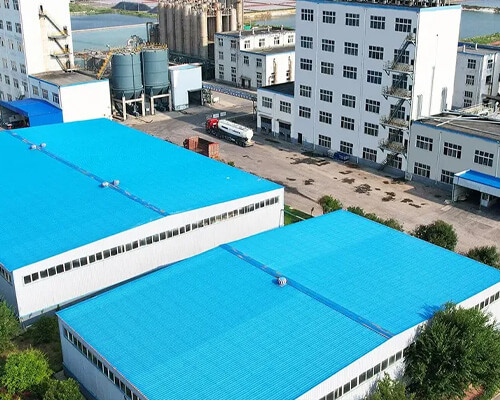
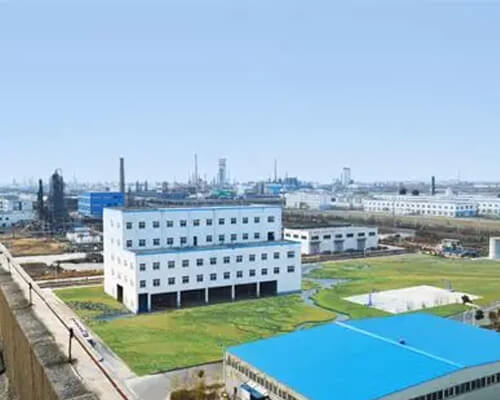
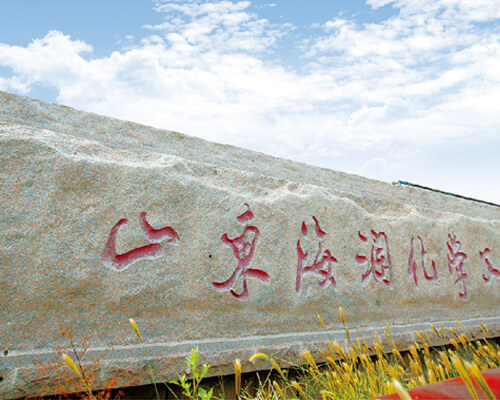
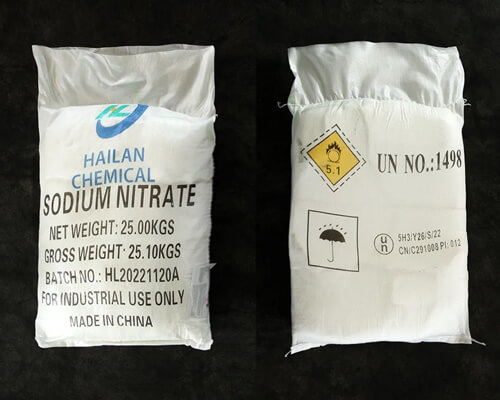
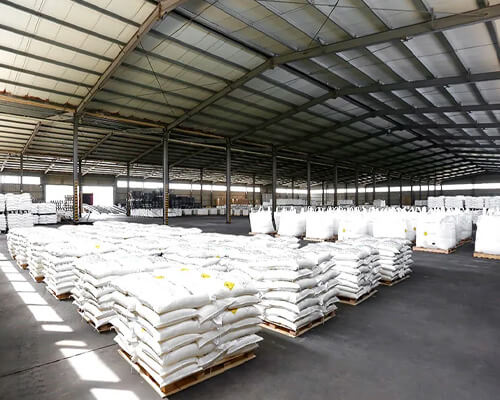
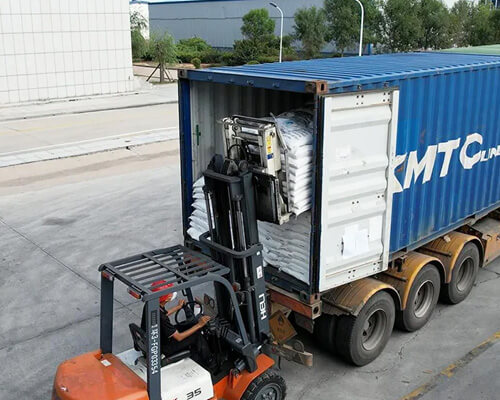
As the core international brand of Shandong Hailan Chemical Industry Co., Ltd., Hailan Chemical (Shandong) Co., Ltd. has established an outstanding industry reputation in the global nitrate chemical sector. Founded in 2009, the company is located in the Houzhen Chemical Project Area of ​​Shouguang City, Shandong Province, adjacent to Qingdao Port, enjoying significant transportation and logistics advantages. With a modern production base covering 150,000 square meters, assets of 400 million yuan, and over 300 professional employees, Hailan Chemical has developed into a large-scale chemical enterprise integrating science, industry, and trade, with annual sales revenue reaching 800 million yuan. The company's core products, industrial sodium nitrate and sodium nitrite (the two sodium salts), have an annual production capacity of 240,000 tons, ranking among the world's top producers. It also produces sodium carbonate (soda ash), sodium metabisulfite, and other inorganic salt products. Hailan Chemical adheres to the development philosophy of "quality first, innovation-driven," and has established a comprehensive quality control system. All its products meet the national standards GB/T 2385-2019 (sodium nitrate) and GB/T 2367-2016 (sodium nitrite), selling well throughout China and exported to more than a dozen countries and regions, including South Korea, India, Italy, Japan, and the Middle East. In international market promotion, the Hailan Chemical (Shandong) Co., Ltd. brand has become synonymous with high-quality inorganic salts. The company meets the diverse needs of global customers by optimizing product particle shape (8mm granular sodium disodium), improving purity (sodium nitrate above 99.4%, sodium nitrite above 99%), and improving packaging specifications (25kg/50kg bags and ton bags). In 2025, the company successfully launched its new granular sodium disodium product, further consolidating its leading position in the global sodium disodium market. CONTACT INFORMATIONWebsite:https://www.hailan-chemical.com/Phone:+8615380400285Email:sales2@boxa-chem.com

Shandong Hailan Chemical Co., Ltd., with 14 years of dedicated experience, has become a model in China's nitrate chemical industry.

Shandong Hailan Chemical Co., Ltd., formerly known as Shandong Hailan Chemical Industry Co., Ltd., embodies the company's significant journey from its inception to its current growth. Since its establishment in 2009, the company has cultivated its expertise in the industry for 14 years, evolving from a regional chemical enterprise into a global leader in sodium bicarbonate production, witnessing the rise of China's nitrate chemical industry. The company has always focused on the nitrate chemical industry, initially with industrial sodium nitrate and sodium nitrite as its main products, gradually expanding to a diversified product line including sodium carbonate, sodium metabisulfite, and concentrated nitric acid. During its development, the company invested 320 million yuan to construct a 150,000-ton-per-year sodium metabisulfite project, further improving its industrial chain layout and enhancing its overall competitiveness. With stable production capacity, excellent product quality, and professional customer service, Shandong Hailan Chemical has established a broad customer base in the domestic market, with products covering multiple provinces including Zhejiang, Shandong, Jiangsu, and Hebei. Although it has now changed its name to "Shandong Hailan Chemical Industry Co., Ltd.", the name "Shandong Hailan Chemical Co., Ltd." remains highly recognizable in historical foreign trade records and among long-term customers, serving as an important testament to the company's development. The company retains this name to trace past business, connect with existing clients, and ensure business continuity and customer relationship stability. CONTACT INFORMATIONWebsite:https://www.hailan-chemical.com/Phone:+8615380400285Email:sales2@boxa-chem.com