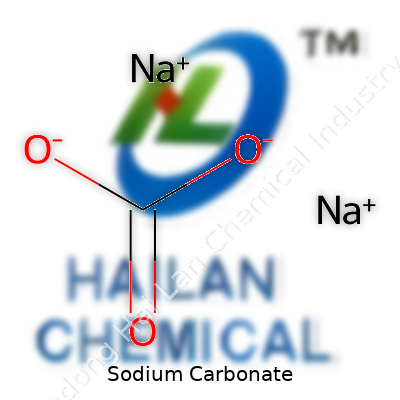
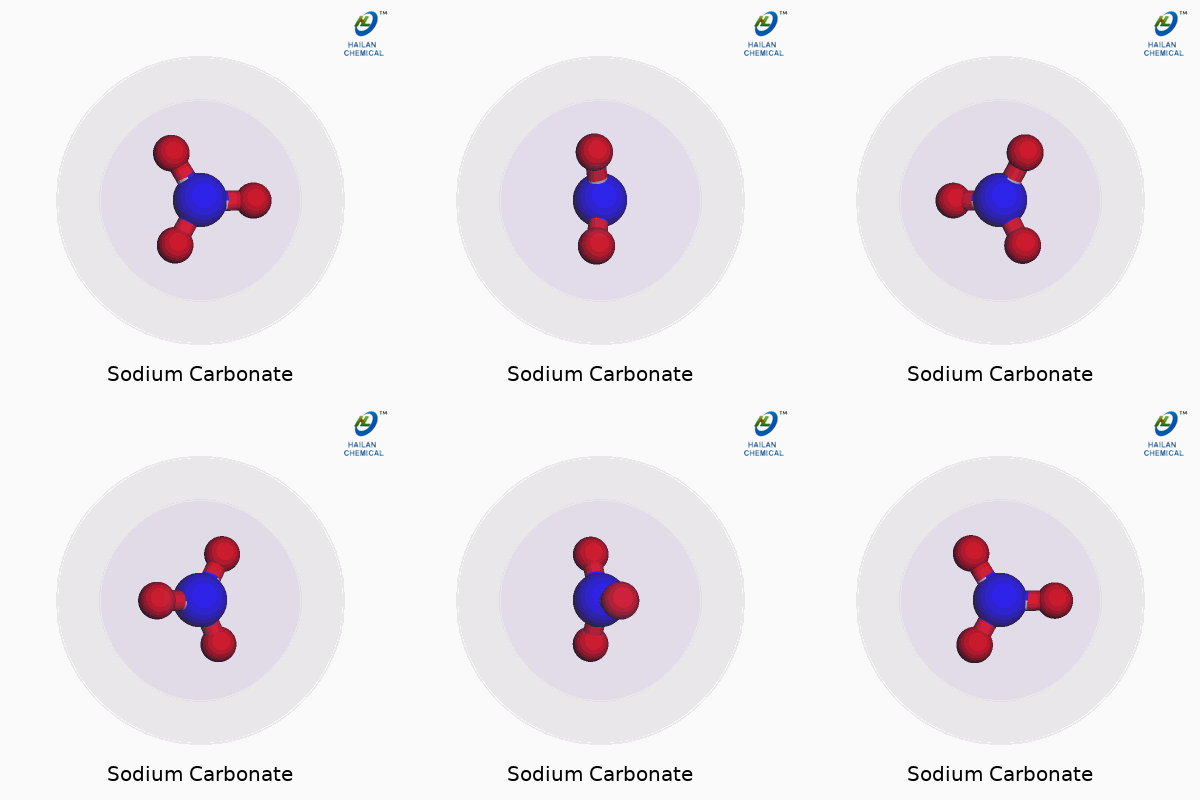
Sodium Carbonate: Exploring Its Past, Science, and Potential
Historical Development
Long before chemists gave it the name sodium carbonate, this compound shaped daily routines from ancient times. Egyptians extracted what they called natron from lake beds, using it to make glass, clean linen, and preserve mummies. Over the centuries, demand kept rising, pushing inventors to find stronger, more reliable ways to obtain it. The Leblanc process revolutionized production in the 18th century, letting factories churn out ton after ton to supply soaps and glasshouses. Later, the Solvay method took over, bringing cheaper, cleaner production to every corner of the globe. Factories near salt and limestone deposits became the backbone for industrial revolutions—glass, textiles, paper, and even the humble laundry benefited.
Product Overview
Most bags labeled “soda ash” or “washing soda” contain sodium carbonate. In homes, it lines up right next to the cleaning products or laundry aids. In factories, it shows up in tons, piled or dissolved, always ready for action. Its ability to soften hard water, boost cleaning power, stabilize pH, and balance other chemicals has kept it essential for over a hundred years.
Physical & Chemical Properties
Sodium carbonate shows up as a white, odorless powder or sometimes in a crystalline, granular form. It feels slightly soapy if you brush it between your fingers, and it tastes alkaline—no surprise, since it raises pH in water. The melting point sits above 850°C, resisting heat, which is handy in glass furnaces and industrial reactions. It dissolves in water, produces a mildly basic solution, and reacts strongly with acids, fizzing out carbon dioxide. Because it absorbs moisture from the air, storage in tightly sealed containers helps prevent clumping or caking. Plain air doesn’t trigger it, but exposure to strong acids, strong bases, or even heat can cause it to break down or change character noticeably.
Technical Specifications & Labeling
Most suppliers provide plenty of detail—nominal purity above 99%, water-insoluble residue below 0.1%, bulk density fit for big mixing vats. Containers carry clear hazard warnings, including corrosion or irritation risk. Safety Data Sheets back up each label, giving detailed information on storage, handling, and what to do in case of a spill or accidental exposure. Some suppliers color-code or mark lots to make inventory tracking easier, especially for food-grade or pharmaceutical batches.
Preparation Method
Modern sodium carbonate usually comes from the Solvay process, which relies on common salt (sodium chloride) and limestone (calcium carbonate). Passing ammonia and carbon dioxide through a salt solution forms solid sodium bicarbonate, then heating that slurry releases pure sodium carbonate and recycles the rest. Waste handling, energy use, and process tweaks have come a long way—today’s factories pull in less natural resource per ton than ever before, and tighter controls keep emissions low.
Chemical Reactions & Modifications
Mixing sodium carbonate with acids like hydrochloric or sulfuric always gives lively bubbling as carbon dioxide escapes. Pairing it with calcium salts makes calcium carbonate—useful for water treatment or chalk. In glassmaking, sodium carbonate works with sand (silica) and calcium oxide to lower melting points and create everything from window panes to light bulbs. Chemists also tweak its basic form, creating hydrates such as decahydrate (washing soda crystals) for specialty uses or blending with other alkalis to adjust strength and reactivity.
Synonyms & Product Names
Sodium carbonate goes by many names in commerce or chemistry books: soda ash, washing soda, sal soda, or even soda crystals. In European and Asian markets, translations often echo these labels. Some packagers distinguish between “light” and “dense” soda ash, based on particle size and packing density, to guide customers in choosing the most cost-effective option for their needs.
Safety & Operational Standards
Working with sodium carbonate feels safe compared to many industrial chemicals, but smart habits keep workers and users unharmed. Direct skin or eye contact may cause irritation; dust in the air can bother lungs, so gloves, goggles, and dust masks matter in bulk use. Facilities keep bins and dispensers tightly sealed and post clear spill instructions. Disposal, though straightforward—dilute safely with water and discharge under regulation—still needs oversight to shield waterways and soils from sudden pH swings. Global manufacturing standards, including REACH and ISO certifications, require traceability, routine quality control, and detailed batch records.
Application Area
In households, sodium carbonate acts as a water softener, laundry booster, stain remover, or gentle abrasive in scrubbing scouring powders. Glass factories depend on it, adding tons by the hour to balance sand and lime in molten batches. Water treatment plants use it to control acidity, keep pipes clean, and balance minerals. Pulp and paper operations soak wood chips in it, prepping fibers for cleaner, brighter results. It turns up in swimming pool supplies, baked goods for raising dough, and even as a key material for art restoration, carefully lifting stains from ancient frescoes and stonework.
Research & Development
Teams still find new uses and new efficiencies for sodium carbonate. Researchers test improved methods to filter, recycle, and recover both raw inputs and byproducts, driven by tighter climate rules and sustainability targets. Some labs experiment with catalysts that cut the energy bill during production. Universities have dug into its role as a CO₂ capture agent, exploring greener ways to lock away carbon emissions from power stations. Food scientists keep analyzing its potential as a dough conditioner or acidity control in processed foods, weighing allergy or regulatory changes as more people seek cleaner ingredients.
Toxicity Research
Most verdicts land on the side of “low toxicity,” but like any alkaline chemical, sodium carbonate deserves respect. Swallowing small amounts rarely causes more than mild discomfort or upset stomach; splashes in eyes or on skin call for rinsing and medical check if irritation lingers. Inhaled dust isn’t ideal for workers handling tons, so good air flow and regular health checks matter in plants. Scientists continue updating data on chronic exposure, water impact, and rare allergic reactions, watching for trends that could shape new safety practices.
Future Prospects
Industries relying on sodium carbonate see both new pressures and new promise ahead. With demand still rising from glass, detergents, water treatment, and renewable energy storage, stable supply chains and low-waste production count for more every year. Environmental rules, plus new consumer habits, push research toward plant-based raw materials, greener solvents, and smarter recycling methods. Growth in solar panel and battery manufacturing puts more attention on purity and lower contamination risks. For those in science and industry, sodium carbonate remains far from old-fashioned—its usefulness adapts, outliving each generation by meeting new challenges with, as always, simple chemistry and smart engineering.
Understanding Where Sodium Carbonate Shows Up
Sodium carbonate, often called soda ash or washing soda, lands in many parts of modern life. I always find it interesting how a single white powder can span so many industries. My own family has relied on it for generations—from cleaning tasks at home to glassmaking jobs in local factories. Its reach stretches further than most folks realize.
Sodium Carbonate in Glass Production
Some of the clearest uses for sodium carbonate pop up in glassmaking. Large manufacturers depend on it to help melt silica, the main ingredient in glass. Soda ash lowers the melting temperature, meaning factories spend less energy and money firing up their furnaces. Without this shortcut, glass bottles, windows, and screens would cost more to make and buy. In places with big glass plants, like my hometown, truckloads of this compound come in every week.
Cleaning and Laundry
My grandmother used sodium carbonate for laundry, and nothing beats it for scrubbing out stubborn stains. Modern laundry detergents still count on it to soften hard water. This makes soap more effective and helps keep white fabrics looking fresh. Usually, people don’t even notice it working behind the scenes, but take it out and clothes would come out dingier and appliances would get clogged with mineral buildup faster.
Water Treatment
Municipal water plants often lean on sodium carbonate to tweak the pH of water. Acidic water can corrode pipes, which threatens drinking water with metals like lead or copper. Soda ash brings the pH up, which protects those pipes and keeps tap water safe. Out in the countryside, lots of well owners toss in soda ash to keep their pumps running and water drinkable. It’s a practical fix, not flashy, but it works.
Chemical Manufacturing and Other Industries
Factories that produce chemicals such as sodium silicates or dyes need sodium carbonate in their recipes. In papermaking, it helps remove lignin and balance out acids, which keeps paper from turning yellow. Swimming pool owners use it too. Soda ash lifts pH, which cuts down on eye and skin irritation caused by acidic pool water. Brewers lean on it to clean kegs; cheesemakers use it to wash and prepare their surfaces. The list runs long because it’s cheap, easy to transport, and doesn’t linger as a toxic byproduct.
Keeping Safety and Sustainability in Mind
With broad use comes a few concerns. Factories releasing too much soda ash into water or air strain local ecosystems. Waste from glassmaking sometimes ends up in landfills. On the upside, sodium carbonate itself doesn’t build up in bodies or soil in a harmful way when handled properly. Manufacturers continue to push for cleaner processes that recover and reuse this compound instead of dumping it. At home, I always respect the stuff—gloves on and eye protection when working with big quantities, as it can dry the skin or irritate eyes. Kids these days rarely see it raw, but anyone handling strong cleaning powders should know what they’re using.
Room for Improvement
More recycling of industrial soda ash and tighter controls in megafactories could shrink the industry’s impact. Home users can stay informed about safe handling and opt for products using recycled soda ash. As people become more aware of what’s in household goods and how big industries operate, they can push for safer and smarter uses. Even a humble powder can spark smarter habits up and down the line, from the factory to the washing machine.
What Sodium Carbonate Does
Sodium carbonate, more often called washing soda, shows up all over homes, labs, and factories. You find it in laundry boosters, glassmaking, and even food processing. I’ve seen people reach for it as an old-school cleaning solution or as a way to adjust pH in pools or water tanks. Its uses make it look innocent.
Why Safety Matters
Most folks figure that if it’s sitting on the same drugstore shelf as baking soda, it’s safe. Washing soda seems like just a stronger cousin to baking soda, but there’s a difference. Sodium carbonate reacts much more strongly with moisture and skin. Even a short splash can leave burns or strong irritation—much more than table salt or regular baking soda ever would. A lot of people have learned this the hard way by rinsing their hands too slowly or skipping gloves.
Human Exposure: What Science Says
Research and safety data show sodium carbonate does not accumulate in the body or cause cancer. It shows up in the environment and breaks down. If you swallow a small amount, you’ll probably end up with a burning throat and maybe some vomiting. Eating any amount beyond a trace can be dangerous. For skin, the risk lies in its power to change local pH. As someone who has used it in cleaning, I’ve seen firsthand how the powder can dry out your skin, causing cracking within a day. Getting it in your eyes causes stinging and sometimes real injury, so doctors recommend flushing the eye thoroughly.
There are no real long-term health concerns with household exposure if you treat washing soda with respect, but that respect matters. Inhaling the dust, even for a short time, irritates the throat and nose. Sometimes people think simple chemical cleaners are safe to breathe, but even if you don’t have allergies, the risk exists.
Food Additive Status and Regulation
Sodium carbonate also pops up on food labels under E500 or E500(ii), listed as a food additive. Its job usually ties to controlling acidity in baked goods or cocoa. Government agencies like the US Food and Drug Administration and the European Food Safety Authority both say it’s safe to consume in small, regulated doses. In my experience, labels hardly ever point this out up front, so reading them closely becomes crucial if you have sensitivities. There are limits on amounts used in food, and for good reason.
Solutions and Precautions
I always wear gloves and goggles if I use sodium carbonate in cleaning. It pays to keep it away from food prep areas and out of reach from kids. Diluting it properly for cleaning avoids the common mistake of burning skin. If it gets on your skin, water helps but fast action makes the biggest difference. For households, clear labeling and airtight storage work wonders in avoiding accidents.
If using it in cooking, sticking to precise recipes and official food-grade products keeps risks low. Never substitute washing soda for baking soda; confusing the two can lead to a ruined dish at best and stomach problems at worst.
Facts and Final Take
Sodium carbonate offers valuable uses, but safe handling makes all the difference. Safety gloves, reading directions, using the right amount, and storing containers securely—simple habits like these keep people safe. Mistaking strength or generalizing from other kitchen chemicals has led to plenty of accidents. Respecting its power and following scientific advice supports both safety and peace of mind at home and work.
Sodium Carbonate and Baking Soda: Similar Names, Different Roles
Plenty of folks open kitchen cabinets and see baking soda on one shelf and washing soda or some industrial cleaner on another, all sharing “soda” in the name. That small detail fools a lot of us. Being honest, my first job after college involved a decent chunk of cleaning and lab prep, so I bumped into these two chemicals daily. Learning the difference saved me a lot of embarrassment.
Digging Into Their Chemistry
Baking soda, also known as sodium bicarbonate, carries the chemical formula NaHCO3. Sodium carbonate, usually called washing soda, uses the formula Na2CO3. Shifting molecules and swapping out an extra sodium atom might not sound like a big deal, but it matters. Sodium carbonate’s added kick makes it stronger and more alkaline than baking soda. For a science teacher or anyone running experiments at home, that change in strength changes the whole story, from cleaning power to safety concerns.
Kitchen Helper Versus Heavy-Duty Cleaner
Baking soda slides naturally into kitchens across the world. It pops up in fluffy baked goods because it reacts well with acids—think lemon juice or buttermilk. This reaction releases carbon dioxide and leads to bubbles and rise in cakes and muffins. Not much beats baking soda at deodorizing fridges or neutralizing a splash of battery acid on car terminals. It’s gentle enough to brush teeth or scrub fresh vegetables.
On the other hand, sodium carbonate handles the dirty jobs. Stains in laundry, greasy cookware, and stubborn mineral deposits don’t stand a chance against washing soda’s strong alkalinity. It can strip wax buildup on floors, fix pH levels in pools, and soften hard water, making regular detergents work better. People outside science or cleaning circles often underestimate how caustic sodium carbonate feels on skin; gloves become a must.
Health and Safety: What’s Wise and What’s Risky
Accidentally swapping out baking soda for washing soda in a batch of cookies could land someone in the ER. Baking soda handles digestive upset, but sodium carbonate wreaks havoc on a human stomach or tissue. Swallowing it or letting it linger on skin invites burns or nausea. Having worked around both, I never take their safety labels lightly. Home cooks, teachers, or parents need clear labeling and storage—one in the food pantry, the other with cleaning supplies or pool chemicals well away from little hands.
Mix-Ups Really Matter
Plenty of times, I’ve heard stories of folks grabbing the wrong box during a rush: cookies baked with washing soda, laundry loaded with baking soda instead of the other stuff. The results range from ruined food to wasted soap to mild health scares. Clear packaging and separated storage prevent confusion. Reading the back of the box or using color-coded scoops helps keep people out of trouble.
Reducing Confusion Through Education
This isn’t just science trivia. Educators, manufacturers, and parents have a duty to make this distinction painfully obvious. Cleaning supply companies stamp warnings all over sodium carbonate boxes for a reason. Labels like “Do not ingest” and “Keep away from children” should jump out at anyone reaching for the box. Teachers can demonstrate safe and fun chemical reactions using baking soda, showing just how creative and safe a basic kitchen chemical can be. Sharing those stories and lessons makes kitchens, classrooms, and homes a little safer and more interesting for everyone.
The Real Dangers of Neglecting Storage
Sodium carbonate stands as a staple in many labs, cleaning closets, and even kitchen shelves, but its presence doesn’t give a free pass on safety. Anyone who’s handled the powder knows it grabs hold of moisture in the air. Over time, easy mistakes add up—leaving a packet open, using a container without a proper seal, or storing it where kids might reach. I’ve seen what happens: hard, wet clumps form in the jar, and contamination creeps into the rest of the supply. Even worse, spilled powder on floors invites accidental slips or eye irritation with one careless rub.
Spotlight on Safe Storage
At home, years of keeping cleaning agents and laundry powders with kids and pets in the house taught me: a high shelf with a solid lid saves stress. Commercial facilities bring bigger stakes and higher volumes, but the ideas don’t shift much. Store sodium carbonate in a tight-lidded, labeled container, away from sinks, damp corners, or any spot with regular spills. Moist air ruins the powder, weakens its cleaning power, and shortens shelf life. In the wrong container, or left exposed, it turns from helpful to hazardous.
Common Sense, Backed by Science
Official facts from safety organizations spell it out clearly. The National Institute for Occupational Safety and Health highlights its low toxicity in regular amounts, but contact with moisture leads to alkaline conditions that can irritate eyes and skin. The point is simple: if it gets damp, sodium carbonate makes cleaning or handling messy and irritating.
Think about how many times you’ve reached for a product only to find it caked up or spilling from a cracked box. Poorly stored powders pull water from the air. The chemical experience may be basic chemistry, but the daily frustration and safety risk are very real.
How to Store It Right, Every Time
Seal it tight. A plastic or glass jar with a screw-top lid works for the home; industrial sites rely on heavy-duty drums or bins with gaskets. The container should keep out both water and air. Keep it well away from acids, since reactions can produce heat and a mess. I’ve seen labels rubbed off by worn hands or cleaning chemicals, only to confuse family members or coworkers later—clear, strong labeling on every canister avoids accidents.
Sodium carbonate belongs in a cool, dry, well-ventilated place. I wouldn’t keep it near the stove, dishwasher, or any spot with steam. On a bigger scale, companies install it in chemical storage rooms with built-in leaks trays and regular inspections once a week. Even in a tiny laundry room, a closed box tucked in a pantry shelf makes a world of difference. At the end of the day, good storage saves product, money, and more importantly, health.
Better Habits, Fewer Hazards
Every household and lab builds habits over time. Mixing up old supplies, leaving lids loose, or stashing powders near water pipes just because it’s convenient—these choices set up future headaches. Dedicating a sealed bin, sticking a date label, and teaching everyone at home and work why proper storage matters gears the odds towards safety. These habits keep sodium carbonate working as intended, without the trouble and risk that careless storage invites.
Understanding the Risks
Sodium carbonate goes by a lot of names, but most folks know it as washing soda or soda ash. At first glance, it looks innocent—a white, powdery substance that pops up in everything from laundry boosters to glassmaking. In my own time working with cleaning products, I learned it’s easy to underestimate. It’s not as scary as strong acids or caustic soda, but it still demands respect if you care about your health and safety.
Direct Health Effects
Skin tells you quickly if sodium carbonate has been spilled. That gritty, dry feeling may start mild but can turn to redness or irritation with longer contact. People with sensitive skin sometimes notice it right away. My coworker at a local pool supply store developed a rash after just a little contact cleaning up an accidental spill. Eyes are more at risk—a quick splash causes stinging, watering, and even possible damage if you rub them afterward. Inhaling small amounts can bother your nose or throat, sometimes bad enough to cause coughing or even shortness of breath for those with asthma.
Workplace and Home Precautions
Too many folks leave gloves in the drawer and scoop powders straight from the box. This shortcut rarely ends well. Whenever handling sodium carbonate—especially the finer powders—gloves, goggles, and even a dust mask go a long way. Just last spring, my neighbor dusted off his pool and ignored his own advice; the resulting sneezing fit almost lasted half an hour. Impervious gloves, like nitrile or rubber, protect hands much better than old gardening gloves.
Ventilation lowers the chance of breathing in dust. Growing up, my sister and I used to help with the laundry—windows open, fan running. Without fresh air, dust seems to linger and settle in places you least expect. Spilling even a cupful creates a mess, so it pays to sweep carefully instead of just pushing it down with water. It clumps up and can create slippery spots on tile flooring. Rinse those areas thoroughly—a lesson my aunt learned one day by slipping in her laundry room, all because of a small, missed patch.
Safe Use and Disposal
Sodium carbonate breaks down easily and doesn’t poison soil or water in small amounts, but dumping large quantities can push up pH and harm plants or aquatic life. Municipal waste guidelines are clear: dispose of small household amounts with regular trash, sealed in a sturdy bag. For bigger jobs—like chemistry class leftovers or industrial cleanups—it’s smart to call waste handlers to avoid runoff that harms streams and rivers.
Mixing sodium carbonate with strong acids in a hurry produces heat and sometimes splatters. Even mixing it with bleach or ammonia generates fumes that sting the nose or worse. Reading label instructions turns an annoying task into a safer one. Hot water speeds up dissolving, but stirring too quickly can kick up more dust than expected—take it slow; patience takes less time than treating a cough or washing your eyes.
Final Thoughts: Respect What You Use
Handling sodium carbonate means dealing with something common, yet still potentially risky. Gloves, goggles, ventilation, and careful disposal do more than check boxes—they keep families, workers, and the environment healthier. Those extra steps may add a couple of minutes but save a world of trouble in the long run.