Sodium Nitrate: Evolving Significance, Chemistry, and Tomorrow’s Potential
Historical Development
People worked with sodium nitrate long before science unraveled its structure. Ancient South American cultures recognized mineral deposits in Chile’s Atacama Desert and gathered this white salt for agriculture. The Spanish, upon arriving in the New World, swiftly realized the value of these strange deposits. Through the 19th century, sodium nitrate quietly fueled revolutions in farming and warfare. European states, desperate to grow more food, relied on “Chile Saltpeter” for fertilizer. In both World Wars, the military appetite strained nitrate reserves, pushing research—and industry—toward synthetic processes like the Haber-Bosch method for ammonia, cutting the natural nitrate’s dominance. Today, its story weaves through the evolution of food preservation, munitions, chemical syntheses, and environmental science.
Product Overview
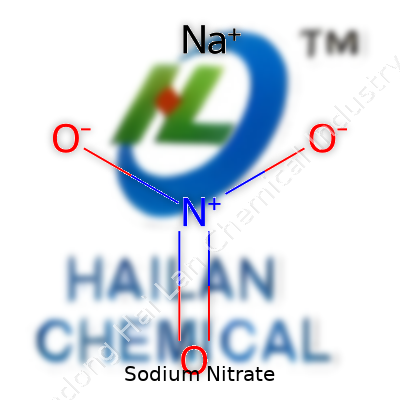
Sodium nitrate appears as a colorless, crystalline solid—often seen as a white powder or pellets. It claims a straightforward chemical formula, NaNO₃. Essential for producing nitrogen-based fertilizers, this salt holds a key seat in chemical manufacturing plants and laboratories. In my own experience handling it, I’ve noticed its almost deceptive simplicity: a bag of unassuming crystals hiding the ability to drive combustion, nurture crops, or cut through steel when mixed in the right way. Its role in preserving meats and creating fireworks helped shape entire industries. Businesses sell sodium nitrate under several guises, often calling it Chilean Saltpeter or soda nitre, adding to the confusion for buyers chasing quality and consistency by name alone.
Physical & Chemical Properties
Sodium nitrate dissolves quickly in water, pulling moisture from the air thanks to its hygroscopic nature. This feature can ruin storage for those who overlook proper sealing, as I once learned from a soggy bottle that clumped into an unusable brick. Its melting point sits at around 308°C, and it boils above 380°C, making it reliable under most lab and industrial conditions. When heated, sodium nitrate decomposes and spills out oxygen—a trait that makes it dangerous near combustible materials. In water, it leaves a neutral to slightly basic solution, and its oxidizing power shows up strongly in chemical reactions, providing oxygen to processes that would otherwise stall.
Technical Specifications & Labeling
On sodium nitrate packaging, you usually see purity quoted at 99% or higher, especially for analytical or food-grade applications. Industry regulations require clear labeling, listing batch numbers, the manufacturer, hazard symbols, and instructions on storage to keep everyone in the loop. From my work in a chemical warehouse, I learned to trust those details—one mislabel or ignored storage warning can fire off regulatory nightmares and put staff at risk. International guidelines, like those from REACH in Europe or OSHA in the US, influence what ends up on every bag or drum.
Preparation Method
Commercially, companies extract sodium nitrate straight from the earth, especially in Chile, or synthesize it by neutralizing nitric acid with sodium carbonate or sodium hydroxide. Both methods deliver a product stable enough for shipment worldwide. Refining extracted saltpeter to food or fertilizer grade involves dissolving, filtering, and re-crystallizing. The chemical method tends to dominate in regions without easy access to mineral deposits. I’ve seen simple bench-scale recipes involve bubbling nitrogen oxides through sodium carbonate solutions—a reminder that even in the modern age, people rely on direct, hands-on chemistry for everyday needs.
Chemical Reactions & Modifications
Sodium nitrate’s main feature is its oxidizing punch. It breaks down under heat or acids, forming sodium nitrite, oxygen, and sometimes nitrogen oxides. Solid sodium nitrate reacts with metals like aluminum or magnesium, yielding spectacular results in rocket propellants and pyrotechnics—a real-life example of textbook thermodynamics. Its reaction with concentrated acids produces nitric acid, feeding into fertilizer and explosives production. Nitrate can also act as a nitrating agent, introducing nitrogen into coal tar compounds or dyes. This versatility keeps it embedded in countless branches of industrial chemistry, always morphing depending on the need for pure oxygen, nitration, or preservation.
Synonyms & Product Names
Beyond sodium nitrate itself, buyers might encounter names such as Chile saltpeter, soda niter, or Nitratine. Not every label means the same thing worldwide, leading to confusion for engineers or importers seeking a specific grade for a sensitive process. In regulatory filings or scientific literature, sodium nitrate always shows up as NaNO₃, making chemical shorthand useful for international collaborations or lab work, but far less practical for a lay audience.
Safety & Operational Standards
Working with sodium nitrate means respecting its ability to fuel fires. The oxidizing hazard, often overlooked by new staff, can turn a routine cleanup into a crisis if spilled near oils, wood shavings, or organic materials. Proper handling involves gloves, sealed containers, and dry storage away from combustibles—I learned to double-check storage rooms after watching a combustible spill end with nothing but luck and a fire extinguisher. OSHA and similar agencies strictly regulate exposure and transport. The rules include limits on airborne dust, requirements for ventilation, and specialized first aid measures in case of ingestion or eye contact. Ignoring rules isn’t worth the risk; even small mistakes trigger costly cleanups and injuries.
Application Area
Farms, factories, and labs use sodium nitrate daily. It underpins fertilizer blends, forming the backbone of nitrate-rich products that fuel modern agriculture. Its legacy in meat curing grew from early preservation needs to regulated use—current US and EU food standards tightly control levels to avoid carcinogenic risks. Industry relies on it for glass manufacturing, heat transfer salts in solar power, and corrosion prevention in pipelines. Pyrotechnics, explosives, dyes, and even wastewater treatments take advantage of its oxidizing capability. I’ve watched it work across such a diverse spread that it continues to surprise me how one compound manages to span food safety, infrastructure, and high-energy reactions.
Research & Development
Universities and corporate R&D groups constantly revisit sodium nitrate’s chemistry, especially as new environmental needs or safety concerns arise. Research pushes for better fertilizer formulations that limit nitrate leaching, cut costs, and raise yields with fewer side effects. Novel uses, such as thermal energy storage for solar plants or more efficient propellants, attract funding and attention. Scientists experiment with new coatings to slow nitrate release or develop hybrid materials combining sodium nitrate with other salts to improve heat transfer. Regulations drive much of the innovation; we all have an interest in finding safer, less polluting, and more efficient applications as demand shifts and resources change.
Toxicity Research
Sodium nitrate’s impact on health and environment draws controversy and ongoing study. The risk lies not just in direct exposure—swallowing even a few grams can upset the digestive tract—but more in the slow buildup of nitrates and nitrites through food and water. Scientists found links between nitrosamine formation (byproducts when nitrite meets proteins in acidic conditions like the human stomach) and cancer, prompting tight restrictions in the food industry. Animal studies highlight risks for aquatic life if runoff enters water systems, especially in high-nitrate agricultural regions. Continuous research shapes food regulations, water quality standards, and ongoing medical studies on long-term effects, keeping sodium nitrate in the spotlight.
Future Prospects
Sodium nitrate faces a future shaped by shifting technology, environmental rules, and changing agricultural practices. As sustainable fertilizer strategies gain ground, researchers investigate blending sodium nitrate into lower-impact formulas or using it to enhance precision farming, applying nutrients only where needed. Renewable energy solutions look to sodium nitrate for molten salt storage, banking solar energy for power grids overnight. Safer explosives, more advanced rocket fuels, and smart preservation techniques all lean on tweaks to this old compound. Its adaptability gives it lasting relevance, but as society demands greener, safer chemicals, the industry continues to adapt, guided by constant research, regulation, and practical experience.
The Many Roles of Sodium Nitrate
Sodium nitrate pops up in a lot of unexpected places. Most people who hear that name think about deli meats or bacon, and it’s true—this salt keeps a lot of processed meats fresh for far longer than they would last otherwise. Growing up, I watched my grandparents salt and cure their own meats, but I never really considered the science behind the process. Now, it’s pretty clear: sodium nitrate keeps dangerous bacteria at bay, especially ones like Clostridium botulinum that can make people very sick. The chemical works by preventing these bacteria from growing, and as a bonus, it keeps cured meat looking pink and appetizing.
People use sodium nitrate for a lot more than food. If you’ve ever handled fertilizers on a farm, you’ve probably seen this compound at work. Plants crave nitrogen—the key to building strong leaves and stems—and sodium nitrate delivers a steady supply. Because it dissolves easily in water, it gets to the roots quickly during irrigation. Farming has fed humanity on a huge scale, with help from chemicals like this one, but the flip side has shown up over the years. Runoff from fields can bring excess nitrate into rivers and lakes, fueling dangerous algae blooms that suffocate fish and other wildlife. So, while sodium nitrate drives crop yields, communities have to manage how much and how often they use it to keep water clean and healthy.
Sodium Nitrate In Industry and Public Safety
Sodium nitrate finds its way into explosives. Mining, construction, and demolition projects often depend on controlled blasts to break rock or demolish structures, and sodium nitrate helps make these detonations efficient and reliable. Back in high school chemistry, the basic reaction of nitrate salts with fuels was part of an unforgettable lesson about reactivity. Industry relies on this property daily, whether for extracting minerals or building new highways. At the same time, the risks are real. In the wrong hands, these same chemicals can be misused, so regulation and secure handling stand at the front line of public safety.
If you look closer at your medicine cabinet, sodium nitrate turns up there too. Certain ointments for wounds—especially for burns—harness the power of nitric oxide, which the body can derive from these salts. This boosts blood flow and encourages healing in tissue that’s struggling to recover. In dental care, sodium nitrate occasionally turns up in toothpastes aimed at reducing sensitivity.
Looking Ahead: Balancing Benefits and Risks
My experience with sodium nitrate taught me that a single chemical can play small but vital roles across daily life. Still, each use has trade-offs. In farming, targeted application based on crop needs and soil testing offers one way to reduce runoff. In food, clear labeling gives people a choice about what they eat and helps those watching their sodium intake or limiting processed foods. In industry, stricter oversight, worker education, and updated storage methods can prevent theft and accidents.
As new technologies emerge and old habits change, sodium nitrate will likely stick around. How we handle it—safely, responsibly, and with a clear view of the possible downsides—makes all the difference. Communities, scientists, and businesses working together can keep the upside while pushing back against the problems.
Getting to Know Sodium Nitrate
Open any pack of cured meat, and sodium nitrate usually shows up on the label. My family’s Sunday breakfasts often featured bacon or ham, products made pink and shelf-stable by this compound. Sodium nitrate’s main purpose is to preserve color and keep bacteria like Clostridium botulinum away. For decades, it’s been a kitchen regular here and in kitchens worldwide.
The Science and the Worry
As a parent, I care about what goes into my kids’ lunch boxes. Sodium nitrate doesn’t sound appetizing or friendly, even though it pops up in naturally grown vegetables. The number that matters comes from the International Agency for Research on Cancer: processed meats are now considered carcinogenic to humans, with nitrates and nitrites among the reason for concern. Once inside the stomach, nitrates can turn into nitrites, which team up with protein to sometimes form nitrosamines—compounds linked to cancer in animal studies.
Fact is, the average diet brings more nitrate from spinach, beets, or celery than from a hot dog. Raw vegetables supply the bulk, but sodium nitrate in cured meat behaves differently. Heat—think frying bacon—tends to spark more nitrosamine formation. Still, real-life data remain mixed. People in Spain eat plenty of nitrate-rich cured ham, yet heart disease and cancer patterns look different from the US. Cooking methods, genetics, and the rest of the diet matter.
The Security Blanket of Regulation
Trust in what we eat comes from rules, not wishful thinking. The US Food and Drug Administration sets strict limits on sodium nitrate in processed food—no more than 500 parts per million in cured meats. Manufacturers also throw in ascorbic acid or other vitamin C sources to block those bad nitrosamine reactions. So long as production follows the guidelines, direct poisoning or overdose from legal food amounts stays off the table.
In practice, most of us eat far less than the allowed ceiling. That belief doesn’t erase uncertainty. Our bodies can handle some exposure, but regular intake over many years raises questions, not just for cancer, but for things like blood pressure. Studies link very high consumption to health risks, so those red “Processed Meat” warnings aren’t for nothing.
A Personal Take and Realistic Choices
People want simple answers, but nutrition doesn’t hand those out. My experience with diet fads and trends taught me that moderation wins every time. I still eat bacon—just less often, and not always fried to a crisp. I tell my family to pile on real vegetables, drink more water, get enough fiber. Cured meats become a treat, not a daily habit. Anyone with a family history of cancer or heart disease might want to make similar moves.
Better food labeling puts the facts out in the open, letting everyone make informed decisions. Industry has started using celery powder and sea salt to market “natural” meats, but those ingredients sneak nitrates in through the back door. "No added nitrate" labels don’t always mean what people think. A push for truth in advertising, plus solid nutrition education, can help.
We don’t need to fear single ingredients. Understanding the whole eating pattern matters more. Sodium nitrate has a place—just not on every plate, every day.
Understanding Sodium Nitrate
Sodium nitrate turns up on many ingredient labels. You’ll spot it in cured meats—hot dogs, bacon, deli slices. Processors use it to preserve color, keep food safe from bacteria, and extend shelf life. It can seem like no big deal on a sandwich. Most people barely notice. I did not pay attention myself until a doctor warned me to limit my lunch meat habit for my blood pressure’s sake. The stuff sneaks into foods and keeps them looking fresher than they really are. That should raise some questions.
How Sodium Nitrate Affects the Body
The real trouble with sodium nitrate begins after it hits the stomach. At that point, it can convert into nitrites, which then react with amines in the body to form nitrosamines—a class of compounds known to damage DNA. Some nitrosamines can spark cells to mutate out of control, laying the groundwork for certain cancers. Studies from the World Health Organization link processed meats to colorectal cancer. Epidemiological data have tracked a disturbing pattern: people eating the most processed meats have a higher risk of cancer, especially gastrointestinal. This is not just a lab test—it tracks with trends in real life.
Cardiovascular Concerns
Sodium nitrate causes another kind of harm. My family history includes several members with high blood pressure, so I know too much sodium always spells trouble for the heart. Eating nitrate-rich foods just piles on more salt, which forces the body to hold onto water and keeps pressure higher than it should be. Hypertension sneaks up and does its damage over decades, putting extra strain on arteries, kidneys, the whole heart system.
Research published in journals like the American Journal of Clinical Nutrition draws a link between regular processed meat consumption and increased risk of heart disease. The sodium punches up the risk—and nitrates complicate things by potentially contributing to arterial stiffness and reduced blood vessel function. Eating a salty, nitrate-laden meal won’t land anyone in the ER immediately. But the regular routine, built up year after year, stacks the risk.
What We Can Do
Changes in daily habits matter here. Swapping processed meats for leaner, fresh-cooked proteins makes a real difference. I learned to grill up chicken breast or pack a hard-boiled egg instead of reaching for smoked ham. Grocery stores now offer “uncured” meats using natural sources like celery powder, but those still create nitrates in the body. A better path is variety—less reliance on processed animal products. More real vegetables, beans, and whole foods. Some simple home cooking can knock out the convenience argument for packaged meats without much effort.
Better food labeling could help everyone by spelling out nitrate content clearly. Right now, people skim over ingredients because marketing focuses on flavor or quick meal appeal. Public health campaigns about the link between sodium nitrate and disease risk could prompt smarter choices—knowledge often sparks change faster than regulations. For those with health conditions already in play, talking with a medical professional about food choices pays off. Even a few small changes in daily meals can tip the odds toward better health.
Why Worry About Sodium Nitrate?
Most folks outside chemistry circles don’t think much about sodium nitrate. It pops up in fertilizers, food preservation, and fireworks — not the stuff of most dinner table chats. But I remember walking into a storage shed once, noticing white powder caked around the edge of a leaky drum. Nobody wore gloves, nobody checked ventilation, and the stuff sat right next to a stack of old rags and oil cans. There’s no need to be paranoid, but treating these chemicals lightly can spark trouble — sometimes, quite literally.
Keep It Cool, Keep It Dry
The number one rule from my time in industrial settings: moisture ruins everything. Sodium nitrate loves water. Give it a little humidity and it starts clumping, dissolving, or worse, reacting if something flammable is nearby. Packing this chemical in airtight containers blocks out moisture and keeps the powder free-flowing. During one sticky summer, I watched a whole drum cake up after a rainstorm found its way through a careless storage room window. After that, double-sealing and every regular leak check became standard for us.
Space Things Out
I’ve seen the aftermath of storing different chemicals too close together. Sodium nitrate and anything organic — sawdust, sugar, paper, or oil — turns risky fast. This stuff feeds combustion, helping fires burn hotter and faster. In one small plant, someone stacked nitrate near fertilizer with ammonium compounds. That’s a cocktail for disaster. Safe practice means separating oxidizers from anything flammable. Mark storage shelves and keep at least a full aisle’s distance between these materials.
Strong Packaging Saves Lives
Plastic drums, lined fiberboard, or stainless steel containers work best. If I had a dollar for every dented or rusted drum I’ve seen in backrooms, I’d have taken longer vacations. Even a small puncture can lead to slow leaks or contamination from dust and dirt. For large amounts, secondary containment trays help catch any spills. I saw a foam tray stop a whole spill from spreading across a concrete shop floor during a loading accident, which saved a half-day’s cleanup and prevented chemical burns.
Label Everything
Sometimes a faded marker or missing label created confusion about what’s actually in a bin. Chemical safety grew simple once we started using printed, standardized labels with the hazard details. Visibility is everything: don’t tuck storage containers in some shadowy corner where nobody reads warnings. Proper tags mean nobody grabs the wrong thing. Training everyone in the warehouse to recognize those symbols matters much more than locking things away “out of sight, out of mind.”
Personal Safety Gear Isn’t Optional
One old-timer used bare hands and a painter’s mask to work with this stuff. Not only risky but a bad example to the young guys starting out. Goggles, gloves, and a nose-and-mouth respirator matter. You don’t forget a rash or a cough that lasts days after a single afternoon’s mistake. Clean, available eye wash stations and showers — we kept them right next to the storeroom. Regular drills made sure folks stayed quick on their feet in an emergency.
Stay Up to Date With the Rules
Regulations change. OSHA sets the standard in the U.S., but company protocols should always reach higher. I’ve seen companies run annual training sessions and bring in outside safety auditors. Safety briefings, refresher courses, strict checklists — these keep routines sharp. Nobody likes more paperwork, but records prove you take safety as seriously as productivity.
Understanding Everyday Additives
Growing up, I remember hearing my grandparents talk about curing bacon at home. Buzzwords like “pink salt” floated around the kitchen. Later, while reading food labels as an adult, I kept running across sodium nitrate and sodium nitrite. Both seemed tied to health headlines and debates about what goes into the foods on our plates.
How the Two Compounds Matter
Both sodium nitrate and sodium nitrite appear in processed meats and some vegetables. Still, they do their work differently. Sodium nitrate, with one more oxygen atom than sodium nitrite, comes from natural deposits in the earth, especially in Chile and Peru. In food, it gets added to prevent bacteria growth. Sodium nitrite takes it a step further — it reacts faster and shoots straight to the heart of preserving color and stopping the spread of nasty bugs like Clostridium botulinum in meats.
What Science Says
Human bodies process nitrates and nitrites from food every day, mostly from vegetables like spinach, lettuce, and beets. The health issue begins with curing meats. During processing and cooking, nitrites mix with natural meat proteins and can form chemicals called nitrosamines. Research shows nitrosamines raise the risk of some cancers.
Nutritionists point out that over 80% of the nitrates people eat still come from vegetables, while cured meats pack in a much smaller share. Green vegetables also carry vitamin C and other antioxidants that block those chemical reactions and help stop nitrosamine formation.
The Risk Factors with Processed Foods
Headlines blasting the connection between cold cuts and cancer have scared some parents away from lunch meat. As someone who cares about what’s in my fridge, I always question how much of something matters more than if it appears in the first place. The World Health Organization didn’t blacklist nitrates entirely—they flagged the heavy consumption of processed meats. Too many hot dogs, not the occasional salami sandwich, tend to pose the most risk.
Label Decoding and What to Look For
At the store, lunch meats or bacon marked “uncured” usually still use natural ingredients like celery powder, which holds loads of naturally-occurring nitrate. Food scientists say these nitrates behave the same as the stuff added directly, once it gets into your system.
Product labels sometimes list both sodium nitrate and nitrite. The meat industry favors nitrite for quick preservation, taste, and color. Sodium nitrate acts more slowly, often popping up in things like dry-cured salami or country hams, where longer aging calls for steady, lasting protection.
Better Choices and Solutions
Finding balance matters. Choosing more fresh foods, switching up sandwich fillings, or grilling a batch of chicken in place of daily deli meats keeps nitrate and nitrite levels in check. Overnight, you won’t erase every risk, but you’ll give your body a fighting chance.
On a bigger scale, researchers work to refine how food companies use curing salts. Tweaking methods, adding natural antioxidants, and using lower doses show some success in cutting down nitrosamines before they ever reach your plate.
Consumers make stronger choices with real information. Building habits that blend nutrition knowledge with a little bit of science can add up to a plate that’s safe, satisfying, and — once in a while — still full of smoky bacon.