Sodium Nitrite: Beyond the Laboratory Counter
Historical Development
Sodium nitrite has woven through centuries of chemistry and everyday life. Early records tie its use to meat curing in the 19th century, but the real breakthrough happened with the rise of industrial chemical production. European studies in the late 1800s pointed the way, with German scientists isolating sodium nitrite through nitrate reduction. They opened the door for widespread use in food preservation and dye manufacturing, reshaping industries and, by extension, the dinner plate. Wartime needs pushed demand further. Factories scaled up, and sodium nitrite came off the pages of chemistry books into manufacturing lines, medical clinics, and regulatory debates. These shifts built a legacy that continues to ripple through modern science and public health discussions.
Product Overview
You can spot sodium nitrite in its trademark pale, crystalline form. Chemists and manufacturers label it as NaNO2, though shoppers usually see it listed on food packaging tucked among preservatives. At its core, sodium nitrite serves as an oxidizing and reducing agent, which means it shuffles electrons in a way that puts it at the center of many chemical reactions. You’ll see it show up in everything from processed meats to textile dyes, water treatment, and clinical settings. The food industry relies on its preservative power; the medical field investigates it for antidote applications in cyanide poisoning; manufacturers reach for it in metal processing and dye synthesis. Each use draws on a bedrock of research and decades of practical tweaks, underscoring why sodium nitrite holds such a steady footing across so many fields.
Physical & Chemical Properties
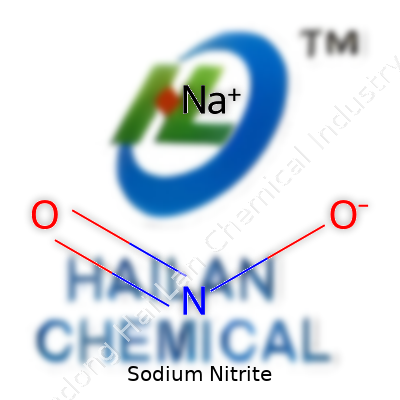
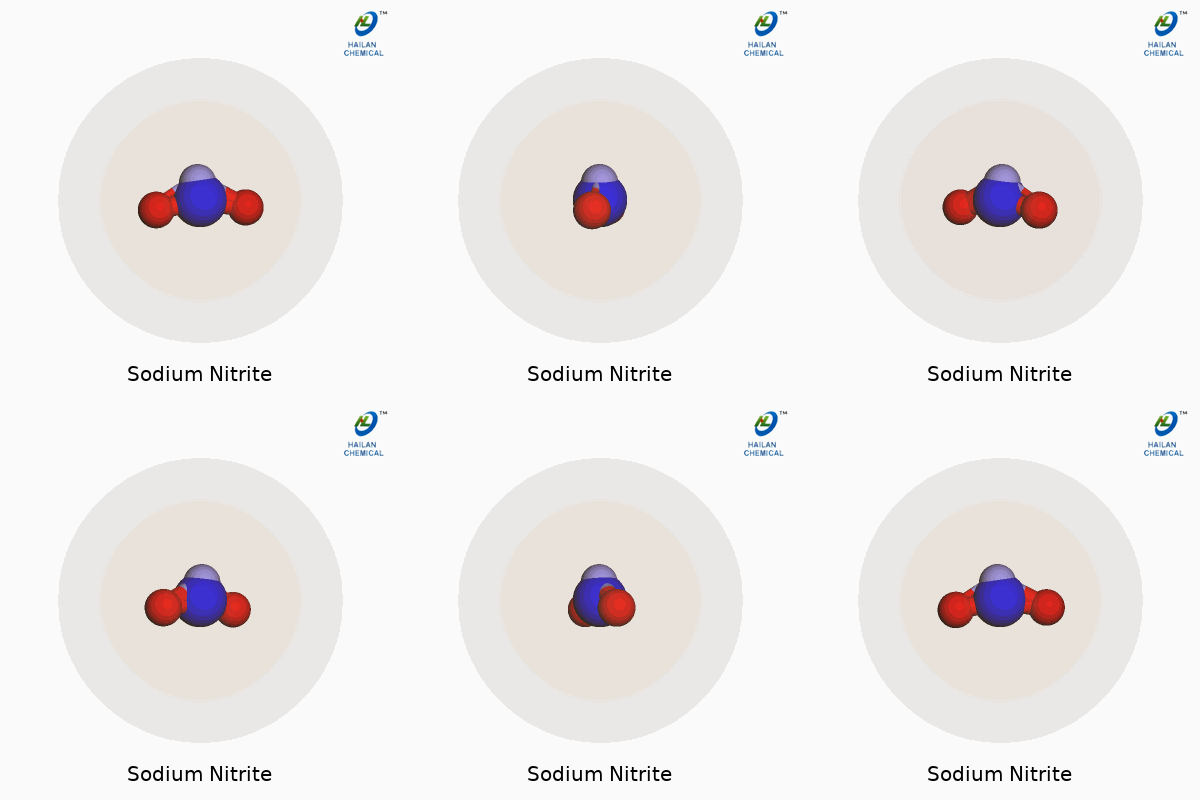
Sodium nitrite comes as a white-to-yellowish solid that’s easy to handle in bulk but cracks into powdery granules on workbenches. The salty taste feels deceiving given its uses, and its hygroscopic nature—meaning it absorbs water from the air—makes careful storage a must. Melting at around 271°C and dissolving quickly in water, sodium nitrite’s real power lies in its reactivity. It’s not explosive under standard handling, but heat or mixing with organic matter can change that fast. Chemically, sodium nitrite holds one sodium atom bonded to the nitrite anion; the two oxygen atoms and one nitrogen atom structure support several industrial tasks, from stabilizing meat color to preventing corrosion in boilers.
Technical Specifications & Labeling
Industry demands clear labeling and reliable specifications. Sodium nitrite usually arrives at a purity exceeding 97 percent. Spec sheets spell out limits on heavy metals, moisture content, and insoluble matter. Regulations require clear hazard statements on every container; the vivid warning symbols cover toxic inhalation, ingestion, or skin absorption risks. Country-specific rules shape the information that appears on packaging. For example, the United States and European Union require lot numbers for traceability, along with storage instructions to prevent clumping or accidental mixing with incompatible substances. These standards didn’t materialize overnight—they grew out of decades of incidents, research, and feedback from users who needed to count on product reliability and safety for every batch.
Preparation Method
Most commercial sodium nitrite starts with sodium nitrate extracted from mineral deposits or synthesized through neutralization processes. Producers reduce nitrate to nitrite either by thermal means—carefully heating sodium nitrate under controlled conditions—or via chemical reduction using lead or iron filings as catalysts. This step demands precision. Overheating swings the process to unwanted byproducts, and incomplete reduction means more purification steps down the line. Factories build closed systems to handle these reactions, recycle water, and control emissions as environmental demands keep tightening. Every improvement in efficiency, material sourcing, or waste reduction results from teams tracking results in real time, troubleshooting, and working through decades’ worth of learning curves.
Chemical Reactions & Modifications
Sodium nitrite plays a starring role in diazotization reactions, where chemists create aromatic diazonium compounds for dyes and pharmaceutical syntheses. Mix it with acids, and it can generate toxic nitrogen oxides—part of why proper ventilation and controls stay critical in any lab or plant. Pair sodium nitrite with amines and a splash of acid, and you get a bridge to powerful azo dyes. In metal treatment, it partners with rust inhibitors or absorbs rogue oxygen to keep corrosion at bay. Over years, chemists have tried tweaking its structure, but the classic nitrite anion holds up best. Innovations in encapsulation and controlled-release formats offer longer shelf lives and more targeted reactivity, especially where operators need to dial in small amounts into fast-moving systems.
Synonyms & Product Names
Walk through a warehouse or scan safety data sheets, and sodium nitrite comes up wearing many labels. Some call it "Nitrous acid, sodium salt," others simply "sodium nitrite." Synonyms like "E250" appear on food-grade material (especially in Europe). Markets refer to it as "Nitrosin," "Sodinitrin," or "Natrii nitris," depending on language and supplier. Recipes, medical formularies, and regulatory files show every variant. Recognizing all these aliases helps prevent costly mix-ups in supply chains—because working in an industrial facility or commercial kitchen leaves little room for guesswork or error.
Safety & Operational Standards
Direct handling of sodium nitrite requires sturdy protocols. Short-term exposure can cause headaches, dizziness, or worse; chronic exposure raises the stakes, especially if someone ingests even modest amounts. Current safety rules mandate gloves, splash goggles, and dust masks in manufacturing settings. Accidental spills or inhalation demand fast response with water flushes and medical intervention to treat suspected methemoglobinemia—a dangerous drop in blood oxygen. Global agencies like OSHA and the European Chemicals Agency enforce rules on allowable exposure, workplace limits, and disposal standards. Waste from nitration or dye shops flows through treatment tanks, often with sulfide reducers neutralizing reactive leftovers before release or recycling. Education programs, workplace drills, and digital tracking help teams stay ready.
Application Area
Sodium nitrite’s reach stretches farther than most people realize. Supermarket shoppers see it in bacon labels as a food preservative, where it guards against botulism and cements the pink color people expect in cured meats. Textile and chemical plants rely on it for making dyes, rubber accelerators, and pharmaceuticals, while boiler rooms add it to steam systems as an anti-corrosion shield against rust. Emergency medical responders may carry sodium nitrite as a cyanide antidote—its stabilizing effects on hemoglobin turn a chemical with dangerous edges into a lifesaving tool. Municipal water plants dose it for disinfectant purposes. In each environment, sodium nitrite takes on specialized roles based on its trusted reactivity, time-release potential, or compatibility with the process at hand.
Research & Development
Early studies on sodium nitrite focused on food preservation and synthesis reactions—a contrast to today’s labs, where researchers look at everything from cancer risk assessment to green chemistry alternatives. Research funding often flows into minimizing nitrosamine formation, pivoting around public health concerns. Analytical chemists probe for detection limits at trace levels, using spectrophotometry and chromatography that outpace previous decades’ capabilities. Manufacturers attempt to improve production efficiency and reduce the carbon footprint, looking to biosynthetic pathways or renewable resources for nitrate feedstocks. Collaborative research brings academia and industry together, with patent filings jumping as teams test controlled-release technology or safer analogs for medical use.
Toxicity Research
Sodium nitrite brings both benefits and hazards. Toxicology research reveals how it converts hemoglobin into methemoglobin, limiting the blood’s capacity to deliver oxygen. Regulatory agencies scrutinize studies linking sodium nitrite and its byproducts—especially nitrosamines—with different cancers. Animal studies lay out pathways, but translating those dose-response curves into human risk remains a demanding challenge. Epidemiological reviews and case reports, as seen in outbreaks or accidental poisonings, push governments to lower maximum residue limits in food and water. Ongoing research continues to refine acceptable daily intake recommendations, improve antidote formulations, and help public health experts trace rare but serious adverse events.
Future Prospects
Modern research doesn’t stand still. Scientists look for ways to replace or reduce sodium nitrite in cured meats while holding tight to food safety. Alternative antioxidants and microbial hurdles enter the spotlight, sometimes as natural extracts but often with tradeoffs in shelf life or taste. Water utilities eye sodium nitrite’s disinfectant qualities, weighing benefits against the risks of forming regulated byproducts. The push for greener industrial chemistry asks whether sodium nitrite can be produced and disposed of more sustainably, with less waste and lower energy use. Changes in consumer attitudes and stricter international regulations create a shifting landscape, where companies either adapt or face losing out to new technologies and ingredients. Future breakthroughs depend on cooperation—chemists, engineers, public health officials, regulators, and communities sharing what works, what fails, and what needs change.
Why So Much Concern Around Sodium Nitrite?
A lot of folks have strong feelings about sodium nitrite, but most barely know its story. My first run-in with it came in a food safety class: the instructor pulled out a package of cured bacon, pointed at the ingredients, and asked us to circle anything we couldn’t pronounce. Sodium nitrite sat right between salt and sugar, tucked into nearly every processed meat on the table. That lesson stuck with me—not because it was mysterious, but because sodium nitrite touches a lot more than our breakfast plates.
Keeping Food Safe—But at What Cost?
Meat curing has a long history. Without refrigeration, folks wrapped their meat in salt to keep it safe. Over time, science found sodium nitrite did two jobs: it stopped bacteria like Clostridium botulinum from growing, and it helped keep meats pink and appetizing, even after days or weeks on the shelf. Most people eat it without a second thought—bacon, ham, hot dogs, even smoked fish carry small amounts. The World Health Organization has flagged nitrites in processed meats for cancer risk, especially when eaten in bulk over many years. That isn’t meant to scare anyone from enjoying the occasional hot dog at a ball game, but most nutritionists agree that daily habits matter more than the odd treat.
Not Just in the Kitchen, but Also the Workshop
Sodium nitrite isn’t just for keeping dinner fresh. My neighbor, a machinist, once brought me an oily rag and a can of sodium nitrite from his workshop. In his world, this stuff stops rust. Factories use it to keep boilers and pipelines from falling apart. Hospitals use it too, but in a totally different way. Sodium nitrite can counteract cyanide poisoning, turning deadly poison into something the body can clear away. All of this points to a double-edged sword: incredibly useful when handled right, but dangerous in the wrong hands.
Risks and Preventing Tragedy
No discussion about sodium nitrite feels complete without mentioning the growing calls for regulation. Over the last few years, headlines report cases of self-harm and accidental poisoning using products bought online that contain high amounts of sodium nitrite. The substance has become too easy to get for unsafe purposes. Governments around the world now face pressure to restrict bulk sales and teach the public about the risks. Retailers have already responded by adding warnings or pulling certain products. Some countries require proof of use for large purchases like industrial applications.
The Middle Ground: Smarter Choices and Public Awareness
Instead of fearing every label or banning a chemical outright, education helps people make safer choices. If you’re reaching for bacon every day, it might be worth trying something different once in a while. People working with sodium nitrite at home or on the job must respect its risks: gloves, locked storage, no shortcuts. Policy plays a role, but the real work often comes down to teaching common sense. Lessons from chemistry class matter. Reading up on food labels, understanding workplace safety, and having honest talks about dangerous materials all make an impact—sometimes more than another warning label ever could.
Looking At What’s Really In Our Food
Anyone reading the back of a processed meat package—hot dogs, bacon, ham—runs into “sodium nitrite” in the ingredients list. It sounds industrial and, honestly, it is. Sodium nitrite plays a big role in keeping meat looking pink and preventing the growth of bacteria like Clostridium botulinum, which can cause life-threatening food poisoning. No one wants to worry about botulism; add nitrites and shelf life stretches, colors brighten, flavors last. That convenience comes with tricky questions about trade-offs between safety and risk, and I've noticed more people asking whether this additive does more harm than good.
Science Behind the Controversy
I’ve spent years reading labels and learning how dinner ends up on our table. Sodium nitrite isn’t new—it dates to the late 1800s, but studies in the last fifty years sparked fears about its safety. In the stomach and under heat, nitrite can react with proteins and form nitrosamines. Some of these chemical compounds have been shown to cause cancer in lab animals, pushing organizations like the World Health Organization to caution against eating a lot of processed meats. Research out of Harvard, EPIC, and other major global teams links regular intake of processed meats to higher rates of colorectal cancer.
Still, it’s not just about the presence of nitrites. The story turns on dose, context, and what else you’re eating. For instance, celery naturally contains nitrites, and leafy greens put far more nitrite into the average diet than bacon ever does. The problem tends to show up most when nitrites meet high heat (think crispy bacon or well-done sausage), especially if vitamin C—an antioxidant that blocks nitrosamine formation—gets left out of the recipe.
Balancing Risks and Choices
I grew up eating deli sandwiches and ham on holidays, never thinking twice about additives. My perspective changed after reading public health data. The International Agency for Research on Cancer says consumption of processed meat is "carcinogenic to humans," and sodium nitrite is central to this risk. Yet, if you look at actual risk in numbers, eating two slices of bacon daily for years might bump a person’s lifetime risk of colon cancer by one or two percent. For most, the leap in risk isn’t dramatic, especially compared to other factors like smoking or heavy drinking. Still, every preventable bump matters in public health.
Some manufacturers use “nitrite-free” cures or natural sources like celery powder, but those can contain just as much nitrite as the synthetic version. There’s no magic switch that makes the natural stuff safer if the chemistry is the same. Vitamin C or other antioxidants added to the mix reduce possible harm—the U.S. government actually requires these additions to limit nitrosamine formation. That’s the sort of measure that works quietly in the background, reflecting how solutions emerge from collaboration between food safety scientists, industry, and watchdogs.
Finding Smarter Ways Forward
A lot of habits come down to moderation, not fear. I’m convinced people do better with facts and straight talk, not scare tactics. Making room for fresher meals, limiting processed meats, and boosting fruit and vegetable intake stacks the deck for health. If brands want to win trust, cutting additives where possible and setting clear labels helps people navigate the shelves. Better public funding for food research, more honest communication, and new approaches to safe preservation would give everyone more peace of mind. Until then, it makes sense to treat processed meats as treats, not regular fare, and to stay curious about what goes into our meals.
More Than Just a Chemical Difference
Walk into any grocery store and take a look at the label on cured meats. Both sodium nitrite and sodium nitrate pop up often, but the two aren’t interchangeable. Their uses have split kitchens, factories, and even regulatory agencies for good reason. The subject sometimes just looks like chemistry homework, but it connects straight to health, food safety, and even environmental risk.
The Nitty-Gritty of the Chemistry
Sodium nitrite packs the formula NaNO2, and sodium nitrate carries an extra oxygen molecule: NaNO3. That tiny difference shapes how they work. Sodium nitrite acts fast. It keeps meat pink, blocks bacteria like Clostridium botulinum, and hits right when curing recipes call for it. Sodium nitrate works like a slow-release cousin. In cured meats aged for weeks or months—think prosciutto or country ham—it quietly breaks down into sodium nitrite, keeping a protective watch long after the product leaves the hands of the butcher.
Health Impacts: Not Just Numbers
Back in the day, people worried little about what went into sausage casings. Recent decades have turned up evidence that both sodium nitrite and nitrate can trigger nitrosamines when mixed with high heat or certain stomach conditions, and these nitrosamines link to cancer risks. The World Health Organization, FDA, and other agencies have set maximum limits for both additives. That should say something—too much isn’t just a food safety issue, but a long-term health liability.
The fix isn’t dropping these compounds overnight. Without them, cured meats lose not just color and shelf life, but face a much bigger threat from botulism. Food safety calls for balance. Some manufacturers now use celery juice powder—rich in “natural” nitrate—though it eventually breaks down into nitrite inside the meat. In truth, labels like “uncured” can mislead, making it look as if the chemical risk vanishes when it doesn’t. Earning trust still starts with clearer information.
Stepping Beyond the Kitchen
The food world only gives half the picture. On farms, sodium nitrate sees use in fertilizer, boosting plant growth by pumping nitrogen into soil. Sodium nitrite doesn’t play that role. This extra nitrogen, though, doesn’t just feed fields. Runoff seeps into rivers and lakes, fueling algal blooms that choke out fish and wildlife while contaminating drinking water with nitrate. Towns in the U.S. Midwest have fought nitrate contamination for years, chasing costly water treatment solutions.
How to Get it Right
Transparency has to lead the way. Honest food labels, investment in alternatives, and tighter controls on fertilizer runoff start to carve a better path. Those who care about the food supply can look for products sourced from producers who limit additives and prioritize safety. On the farming end, adopting best practices—like buffer strips and precision fertilizer use—keeps nitrates out of water systems. Choices in the store or on the land ripple out, underscoring the impact that a simple “nitrate vs. nitrite” question carries.
Sodium Nitrite in Everyday Use
Sodium nitrite shows up in many places. Folks use it in curing meats, the chemical industry relies on it, and labs need it for their research. Even small mishandling can set off a chain reaction, causing fires, poisoning, or pollution. I remember my first job during college in a food safety lab. We all treated sodium nitrite as if it were more than another white powder, because getting careless didn’t just risk our project—the whole facility could get shut down by a single error.
Understanding the Risks
Health and safety agencies warn that sodium nitrite can be toxic if touched, inhaled, or swallowed. There’s the fire hazard too: mixed with the wrong stuff, or just exposed to too much heat, it can start burning or give off nasty fumes. I’ve seen an accidental spill in a partner lab trigger an hours-long shutdown and an emergency decontamination because someone tossed it in the wrong trash bin. It’s not just policy; it’s protection for everyone in the building.
Essential Storage Practices
A strong, sealed container matters. Polyethylene or glass keeps the chemical sealed off from humidity and air, both of which help the powder clump up or even degrade. Metal containers become a recipe for leaks and unwanted reactions. I’ve watched seasoned techs always double-check that the screw cap is dry and tight before shelving bottles, and they keep everything labeled so no one accidentally grabs the wrong jar.
Temperature also plays a big role. Store sodium nitrite in a spot that stays cool and away from direct sunlight. A locked chemical cabinet with a posted sign prevents anyone without proper training from stumbling in and getting exposed. Keeping it above ground level and away from drains bars leaks and spills from turning into environmental emergencies. Never put it near acids, ammonium salts, or organic materials. These mixtures can unleash toxic gases or catch fire.
Safety experts recommend keeping up-to-date statutory signs and Safety Data Sheets (SDS) close by. If a spill happens, staff know how to react immediately. I’ve worked with tight teams where quick action kept a problem from turning into a disaster because everyone could reach the instructions in seconds.
Protecting Ourselves and Our Environment
Practical training saves more than a few headaches. Every chemist I know learns to recognize the yellowish tint of sodium nitrite and never works alone. Simple routines, such as washing hands right after handling or disposing of gloves in hazardous waste containers, protect not just the handler but colleagues and cleaning crews as well.
Radios, snacks, and personal items belong outside the storage room. A small distraction is enough to miss a broken seal or a spill. Cameras cut blind spots in security, and routine inspections catch early warning signs like faded labels or swollen lids.
Finding Better Solutions
Some businesses now use smaller containers and batch delivery, so workers never deal with more sodium nitrite than necessary. Digital inventory limits forgotten stock getting old on the shelf, which keeps storage fresh and lowers the risk of degradation. Simple tweaks in routine—like logging every new jar in or out—help spot theft, misuse, or sudden spikes in demand, which often signal larger issues.
All these steps add up. They’re based on decades of hard-won experience and the latest advice from scientists and safety boards. If you work with chemicals, take each warning seriously. Mistakes don’t just cost money—they change lives.
What Is Sodium Nitrite Doing in Our Food?
Sodium nitrite has become a staple in the food industry, giving cured meats their familiar pink color and helping fight off bacteria like Clostridium botulinum. It’s easy to spot on ingredient lists for hot dogs, bacon, and deli meats. Some folks rarely pay attention to food labels, believing everything that hits the supermarket shelf is more or less safe. Yet, the more I learned about sodium nitrite, the more I started questioning my weekend BLT habits.
Unpacking the Health Concerns
Cancer risk keeps coming up in conversations around sodium nitrite. Researchers from agencies like the World Health Organization have linked processed meats and increased cancer probability, especially colorectal cancer. The problem comes down to what happens after eating food packed with this additive. Sodium nitrite can react with proteins during digestion and form nitrosamines, some of which are known carcinogens. I’ve seen plenty of family and friends shrug off these findings because headlines about food risks seem endless. The science, though, keeps piling up and it’s getting harder to ignore.
Beyond cancer, sodium nitrite carries other risks. Kids are especially vulnerable; infants who consume large amounts can develop methemoglobinemia, or “blue baby syndrome.” This dangerous condition limits the blood’s ability to carry oxygen. Older adults, on the other hand, may face a slow build-up of harm, especially those with high red meat diets. The truth is, it’s rarely one hot dog or sandwich that causes trouble. It’s the steady routine, meal after meal, with nitrite showing up time after time.
Is There Any Safe Level?
Regulators such as the U.S. Food and Drug Administration put limits in place and argue those amounts are safe. Yet processed meat remains a big contributor to sodium nitrite intake. The hard part comes down to lifestyle and culture—smoked sausages and cured ham are part of many celebrations. I’ve noticed more people leaning into “nitrate-free” or “uncured” foods. These options often use celery powder, which naturally contains nitrates, and may not be much different in the long run.
Skeptics often say the science still has loose ends. That doesn’t mean we close our eyes and hope for the best. I’ve seen how health awareness can reshape food choices. For years, margarine with trans fats lined grocery shelves, until new research shifted public opinion and forced manufacturers to adapt. Sodium nitrite could follow a similar pattern, but only with enough noise from consumers and a push for better alternatives.
What Should We Do?
Small, mindful choices can ease some of the risk. For me, that means keeping processed meats to special occasions, not a daily habit. Cooking at lower temperatures and pairing these foods with vitamin C-rich produce—like bell peppers and oranges—seems to help cut down on nitrosamine formation during digestion, based on published research. If buying power pushes brands to find better preservation methods, everyone benefits.
Food manufacturers can get creative with natural preservatives and new curing technologies. Public health campaigns can remind folks that home-cooked meals with simple ingredients go a long way. As science keeps raising questions, putting real effort into understanding and choosing what we eat has never mattered more.